
Your knees ache a little more than they used to. You’re tired even after eight hours of sleep. Bloating shows up for no reason you can name. If any of that sounds familiar, the problem might not be “getting older” it might be what’s on your plate.
Chronic, low-grade inflammation doesn’t announce itself the way a sprained ankle does. It’s quiet, it’s cumulative, and it’s been linked to everything from joint pain to heart disease. The good news: what you eat can turn the volume down. And you don’t need a complicated meal plan, expensive supplements, or a pantry full of ingredients you can’t pronounce to do it.
Below you’ll find more than 12 anti-inflammatory recipes you can rotate through breakfast, lunch, dinner, and snack time — all built from real, everyday ingredients. Save this one, because by the end you’ll have a full week covered without repeating a single meal twice.
What Actually Makes a Recipe “Anti-Inflammatory”?
There’s no single certified “anti-inflammatory diet” with a rulebook. Instead, it’s a pattern of eating that leans heavily on whole, minimally processed foods and backs away from the ones known to spike inflammatory markers in the body.
Here’s the thing: you don’t need to overhaul your entire kitchen overnight. You just need to know which ingredients are doing the heavy lifting.
Anti-inflammatory all-stars to keep on hand:
- Fatty fish (salmon, sardines, mackerel, tuna) for omega-3s
- Leafy greens, broccoli, and other colorful vegetables
- Berries, cherries, and citrus for antioxidants
- Extra-virgin olive oil
- Nuts, chia seeds, and flaxseed
- Whole grains like oats and quinoa
- Legumes beans, lentils, chickpeas
- Turmeric, ginger, and garlic
Foods to dial back, not necessarily eliminate:
- Refined carbs (white bread, white pasta, white rice)
- Added sugars and sugary drinks
- Fried foods
- Processed and red meats
- Anything with partially hydrogenated oils on the label
So what does this mean for your weekly grocery list? Mostly, it means shopping the produce section first and the center aisles second.
Your 12+ Anti-Inflammatory Recipes for the Week
Here’s where it gets practical. These recipes are grouped by meal so you can mix and match based on your schedule swap freely, double a favorite, or follow them start to finish for a full week.
Breakfast Ideas
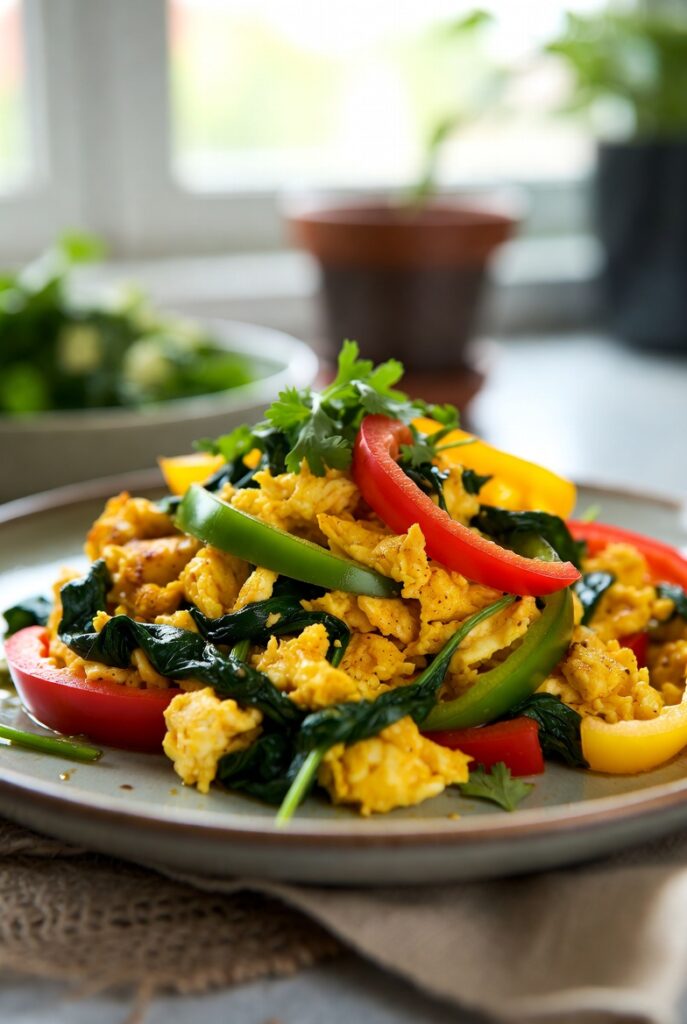
1. Turmeric Veggie Scramble
Whisk eggs with a pinch of turmeric and black pepper (the pepper helps your body absorb the turmeric’s active compound), then scramble with spinach, diced bell pepper, and a spoonful of leftover roasted broccoli. Finish with avocado slices for healthy fat that keeps you full past 10 a.m.
2. Overnight Chia Pudding with Berries
Combine chia seeds, unsweetened almond milk, and a touch of cinnamon in a jar the night before. By morning it’s thickened into a pudding-like texture. Top with blueberries and a few walnuts this is the kind of make-ahead breakfast that saves your mornings and your gut at the same time.
3. Golden Milk Oatmeal
Cook oats in a mix of oat milk and water, then stir in turmeric, ginger, cinnamon, and a drizzle of honey. Top with sliced banana and pumpkin seeds. Quick summary: this one takes under ten minutes and tastes like dessert for breakfast.
Lunch Ideas
4. Quinoa-Chickpea Power Bowl
Toss cooked quinoa with chickpeas, cucumber, cherry tomatoes, and parsley, then dress with olive oil and lemon juice. It holds up well in the fridge for three to four days, making it a genuine meal-prep hero.
Read Also: Meal Tasty Vibes
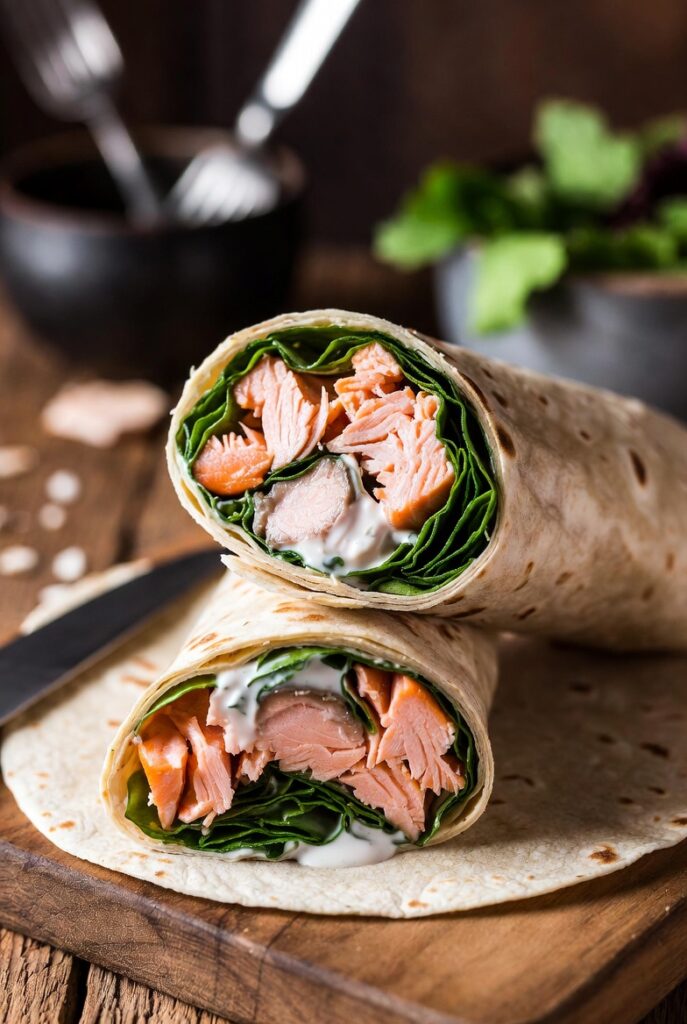
5. Salmon and Greens Wrap
Flake leftover baked salmon into a whole-grain wrap with mixed greens, shredded carrot, and a smear of hummus. Fast, portable, and loaded with omega-3s the kind of lunch that doesn’t leave you sluggish by 2 p.m.
6. Lentil and Vegetable Soup
Simmer lentils with diced carrots, celery, onion, garlic, and a spoonful of tomato paste until everything softens into a hearty, stick-to-your-ribs soup. Batch-cook this on a Sunday and you’ve got lunch handled for half the week.
Dinner Ideas
7. Baked Salmon with Roasted Broccoli
Season salmon fillets with olive oil, garlic, and lemon, then roast alongside broccoli florets tossed in the same oil. One pan, minimal cleanup, maximum omega-3s but there’s a catch: don’t overcook the salmon, or you’ll lose that flaky texture that makes this dish feel special.
8. Turmeric-Ginger Chicken Stir-Fry
Sauté chicken breast strips with garlic, fresh ginger, and turmeric, then add broccoli, snap peas, and bell pepper. A splash of low-sodium tamari at the end ties it together without the sugar load of bottled stir-fry sauce.
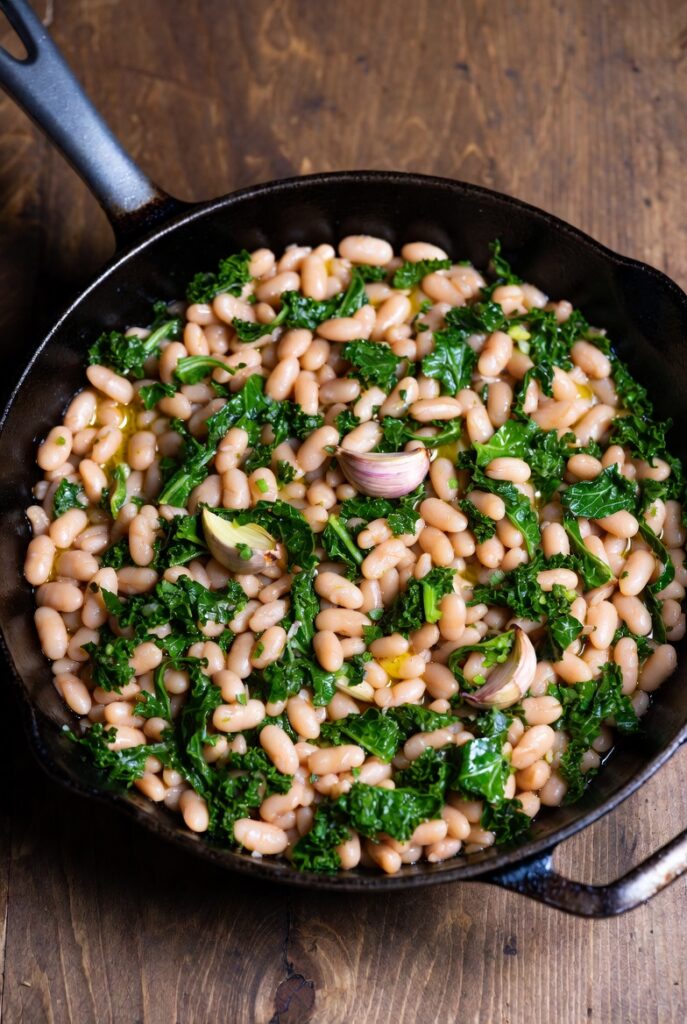
9. White Bean and Kale Skillet
Sauté kale in olive oil until it wilts, then stir in white beans, garlic, and a pinch of red pepper flakes. Top with a squeeze of lemon. It’s simple enough for a Tuesday and satisfying enough that you won’t miss the meat.
10. Cauliflower Steaks with Herb Drizzle
Slice cauliflower into thick “steaks,” roast until golden and caramelized at the edges, then drizzle with an olive oil, garlic, and parsley sauce. Serve over quinoa for a complete, plant-forward dinner that photographs as well as it tastes.
Snacks and Dessert Ideas
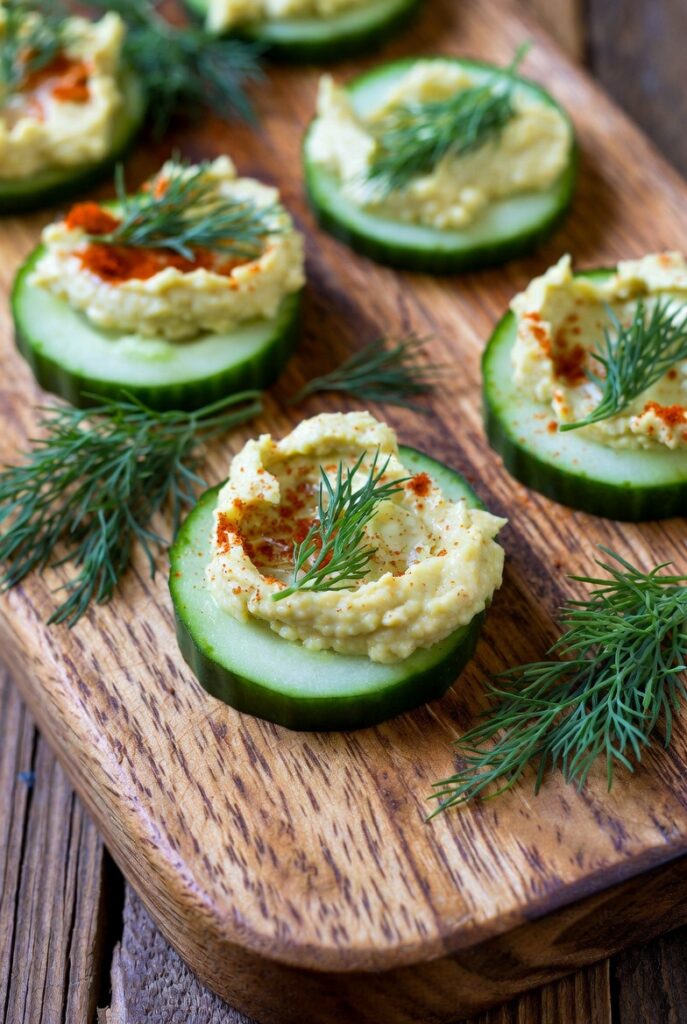
11. Cucumber Hummus Bites
Slice cucumber into rounds, top each with a dollop of hummus, and sprinkle with hemp or pumpkin seeds. This is the snack that proves “healthy” doesn’t mean boring five minutes, zero cooking.
12. Berry and Walnut Greek Yogurt
Layer plain Greek yogurt with mixed berries and chopped walnuts. The protein-plus-antioxidant combo makes this equally at home as a snack or a light dessert.
13. Dark Chocolate Avocado Mousse
Blend ripe avocado with unsweetened cocoa powder, a touch of honey, and vanilla extract until silky. Top with fresh berries and a drizzle of honey. Save this one for later it’s the dessert that convinces even skeptics that eating this way isn’t a punishment.
Turning This Into a Full Week (Without the Guesswork)
You don’t need to plan every meal from scratch. Here’s a simple way to stretch these 13 recipes across seven days:
- Batch-cook once: Make the lentil soup and quinoa-chickpea bowl on Sunday they’re your lunch backbone for the whole week.
- Rotate breakfasts: Alternate between the chia pudding and golden milk oatmeal so you’re never bored.
- Double a dinner: Cook extra salmon or chicken stir-fry so tonight’s dinner becomes tomorrow’s wrap filling.
- Keep snacks stocked: Pre-portion the cucumber hummus bites and yogurt bowls so a craving doesn’t send you toward the vending machine.
A Few Tips to Make This Stick
Here’s the thing most “diet” articles skip: sustainability beats perfection every time.
- Fill half your plate with vegetables at most meals it’s the single easiest rule to remember.
- Cook with olive oil instead of butter where it makes sense, since its phenolic compounds carry real anti-inflammatory benefits.
- Read labels for hidden sugar in sauces, cereals, and bread it hides in places you wouldn’t expect.
- Don’t aim for zero red meat or zero treats. This is about shifting the balance, not eliminating entire food groups overnight.
- Pair diet with sleep and movement. Poor sleep and a sedentary week can undo a lot of good eating, so treat this as one piece of a bigger picture.
Frequently Asked Questions
How fast will I notice a difference?
Some people report feeling less bloated or more energized within a week or two, but measurable changes in inflammatory markers typically take several weeks to months of consistent eating.
Can I still drink coffee?
Yes. Coffee contains polyphenols that may actually help lower inflammatory markers, so there’s no need to cut it unless it affects your sleep.
Do I have to go gluten-free or dairy-free?
Not necessarily. This way of eating is about emphasizing whole foods and limiting processed ones it isn’t the same as an elimination diet, unless a healthcare provider has recommended one for you specifically.
What if I have a chronic condition like arthritis or an autoimmune disorder?
Food can be a powerful supporting tool, but it works best alongside not instead of the treatment plan your doctor has recommended. Talk to your healthcare provider before making major dietary changes.
The Bottom Line
Eating to fight inflammation doesn’t mean bland food, expensive ingredients, or hours in the kitchen. It means leaning on colorful vegetables, healthy fats, lean proteins, and a few well-chosen spices the same ingredients that show up again and again in the recipes above.
Pick three or four to try this week. Once they become habit, add a few more. That’s really all this is: small, repeatable choices that add up to a body that feels a little less inflamed, one meal at a time.