
If the only kombucha you’ve ever had came from a $5 grocery-store bottle, you’re about to save a small fortune and unlock way more flavor than you thought possible. Homemade kombucha isn’t some intimidating science experiment reserved for fermentation nerds. It’s tea, sugar, a SCOBY, and time. That’s it. And once you’ve got the basic method down, you have a blank, fizzy canvas for more than 15 flavor combinations, from classic ginger-lemon to strawberry-basil to a mojito-inspired mocktail booch.
This guide walks you through the beginner basics first (so your first batch actually works), then hands you a full list of kombucha recipe ideas to bottle once you’re ready to flavor. Save this one you’ll want to come back to it every time you brew.
What Is Kombucha, Exactly?
Kombucha is fermented sweet tea. A SCOBY a Symbiotic Culture Of Bacteria and Yeast is added to sugared tea and left to ferment for about a week. The culture eats the sugar, produces a mild tang and natural carbonation, and leaves behind a tart, slightly fizzy drink packed with live cultures.
The process happens in two stages:
- First Fermentation (F1): Turns sweet tea into plain, tangy kombucha. Takes about 7–10 days.
- Second Fermentation (F2): Where the fun happens. You bottle the plain kombucha with fruit, herbs, or juice, seal it, and let it carbonate for a few more days. This is where all 15+ recipe ideas below come in.
What You’ll Need to Get Started
- A SCOBY plus 1–2 cups of starter liquid (buy one online, get one from a friend, or grow your own from a bottle of raw, unflavored store-bought kombucha)
- Black, green, white, or oolong tea (avoid flavored or herbal teas for F1 the oils can harm your SCOBY)
- Plain white cane sugar (the culture needs real sugar to eat honey and sugar substitutes can disrupt the fermentation)
- A large glass jar (avoid metal, which can react with the acidic brew)
- A tightly woven cloth cover, secured with a rubber band
- Flip-top glass bottles for second fermentation
The Basic Beginner Kombucha Recipe (First Fermentation)
Before you get to flavoring, you need a solid base batch. Here’s the simple version:
- Boil about 3–4 cups of water and steep 4–5 bags of black or green tea for 10–15 minutes.
- Remove the tea bags and stir in about 1 cup of sugar until fully dissolved.
- Top up your gallon jar with the rest of the water so the mixture reaches room temperature.
- Add your SCOBY plus 1–2 cups of starter liquid.
- Cover the jar with cloth, secure it with a rubber band, and set it somewhere warm (70–80°F) out of direct sunlight.
- Let it ferment for 7–10 days, tasting starting around day 6 until it hits the tart-sweet balance you like.
Once it tastes right, pull the SCOBY and 1–2 cups of liquid aside for your next batch and move the rest on to flavoring.
15+ Kombucha Recipe Ideas for Second Fermentation
Here’s the part you came for. Below are more than 15 tested flavor directions, organized so you can find your vibe fast fruity, spiced, floral, or downright creative.
Fruity & Classic Combos
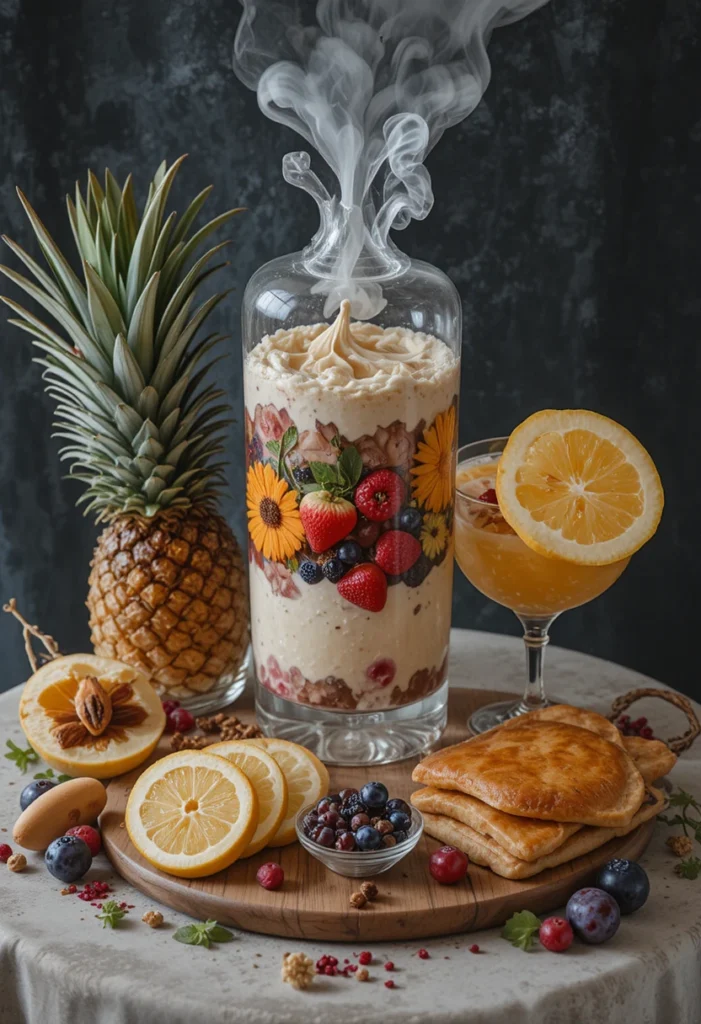
1. Ginger Lemon Kombucha Fresh grated ginger plus a squeeze of lemon is the single most popular kombucha flavor for a reason: it’s zippy, ferments fast, and carbonates beautifully.
2. Wild Blueberry Kombucha Muddled blueberries turn your kombucha a gorgeous violet and mellow out the tartness with natural sweetness.
3. Strawberry Basil Kombucha Sliced strawberries with a few torn basil leaves make a bright, herby-sweet booch that’s become a favorite among home brewers.
4. Mango Lime Kombucha Diced mango with a splash of lime juice brings a tropical, slightly tangy finish that’s especially good in summer.
5. Pineapple Kombucha Pineapple chunks or juice ferment quickly and produce some of the fizziest results you’ll get at home.
6. Raspberry Ginger Kombucha Tart raspberries balanced with a few slices of fresh ginger for a sweet-and-spicy pairing.
7. Apple Cinnamon Kombucha Thin apple slices with a cinnamon stick, left to ferment for a few days, taste like a lightly spiced autumn cider.
Read Also: Meal Tasty Vibes
Bold & Spiced Combos
8. Mango Chili Kombucha Diced mango with a thin slice of fresh chili (seeds removed) for sweet heat that builds with every sip.
9. Turmeric Ginger Kombucha Fresh turmeric and ginger create an earthy, golden, anti-inflammatory-leaning brew that tastes like a wellness shot in soda form.
10. Spicy Watermelon Kombucha Watermelon juice with a pinch of chili flakes or a thin jalapeño slice for a sweet-heat cooler.
11. Cinnamon Orange Kombucha Fresh orange segments plus a cinnamon stick for a warm, citrusy twist that works year-round.
Floral & Herbal Combos
12. Lavender Blueberry Kombucha A pinch of culinary lavender with blueberries adds a floral note without overpowering the fruit.
13. Hibiscus Rose Kombucha Dried hibiscus flowers (steeped briefly, then cooled) give a tart, ruby-red kombucha with a light floral finish.
14. Mint Cucumber Kombucha Thin cucumber slices with fresh mint for the most refreshing, spa-water-adjacent flavor on this list.
15. Chamomile Honey Kombucha (added after F2, once probiotics are established) Cooled chamomile tea with a touch of honey stirred in right before serving for a soothing, gentle brew.
Creative & Adventurous Combos

16. Blackberry Sage Kombucha Muddled blackberries with a sage leaf or two for a deep, slightly savory-sweet flavor.
17. Peach Vanilla Kombucha Ripe peach slices with a tiny splash of vanilla extract for a dessert-like, mellow booch.
18. Grape Kombucha Halved grapes or a splash of pure grape juice for a naturally sweet, kid-friendly flavor (probiotics and all).
19. Mojito Kombucha Fresh mint, lime juice, and a touch of coconut extract for a booch that tastes like your favorite mocktail.
20. Root Beer Kombucha A splash of vanilla extract with a pinch of sassafras or root beer extract for a nostalgic, fizzy twist.
How to Bottle and Flavor Your Kombucha (Step by Step)
- Once F1 is done, remove your SCOBY and set aside your starter liquid for the next batch.
- Add your chosen flavoring generally 10–20% of the bottle’s volume in fresh fruit, juice, or herbs directly into a clean flip-top glass bottle.
- Fill the rest with your fermented kombucha, using a funnel, and leave 1–2 inches of headspace.
- Seal tightly and let sit at room temperature for 2–4 days, “burping” the bottle once a day to release pressure and avoid an overflow surprise.
- Once it’s as fizzy as you like, strain out solids if desired, then refrigerate to stop fermentation and lock in the flavor.
Beginner Tips for Better Kombucha Every Time
- Watch your ratios. Too much sugar in F2 can cause bottles to build excess pressur start light and adjust next time.
- Skip cucumber and banana in F2. Cucumber’s flavor disappears during fermentation, and banana turns mushy and cloudy better to save both for smoothies.
- Use fresh, not dried, fruit when possible. Fresh and frozen fruit ferment more evenly and give cleaner flavor than dried fruit.
- Trust your nose. Kombucha should smell tangy and vinegary, not rotten or cheesy if something smells off, it’s better to start a fresh batch.
- Give it time. Your first batch or two is really about learning your kitchen’s fermentation speed warmer rooms move faster, cooler rooms move slower but often taste cleaner.
Frequently Asked Questions
How long does homemade kombucha take from start to finish?
Plan on roughly 7–10 days for first fermentation, plus another 2–4 days for flavoring and carbonating in second fermentation.
Can I use honey instead of sugar?
Stick to plain cane sugar for first fermentation the culture needs it to thrive properly. Honey is generally saved for adding after fermentation, once probiotics are established.
Why isn’t my kombucha fizzy?
Carbonation comes from second fermentation in a sealed bottle. If it’s flat, try adding a bit more sugar or fruit and letting it sit a day or two longer at a warmer room temperature.
Is homemade kombucha safe for beginners to make?
Yes as long as you keep your equipment clean, use a healthy SCOBY, and watch for mold (which shows up as green, black, or fuzzy patches, not the normal brown yeast strands). If you ever see true mold, it’s safest to discard the batch and start fresh.
Ready to Start Brewing?
The beauty of homemade kombucha is that once you’ve got your first batch dialed in, you’re never stuck with one flavor again. Pick two or three ideas from this list, bottle them side by side, and see which one becomes your new favorite. Save this list for your next brew day and don’t be afraid to mix and match your own combinations once you get comfortable.
Final Thoughts
Homemade kombucha is one of those kitchen projects that feels like a science experiment and a creative outlet at the same time. Once you’ve got your base batch down, the 15+ flavor ideas above give you an entire year’s worth of variations to try and you’ll never run out of new combinations to experiment with.
Start with one flavor, get comfortable with the process, and before long you’ll be the friend everyone asks for a SCOBY.