
If the words “Korean cooking” make you picture a mile-long grocery list and ingredients you can’t pronounce, I have good news: you can have a steaming bowl of Korean comfort food on your table in under 30 minutes, using a handful of pantry staples you probably already stock. No specialty market run required.
Korean home cooking is built on repetition a few core flavor-makers (gochujang, soy sauce, sesame oil, garlic, and kimchi) show up again and again, just remixed into different dishes. Once you have those five ingredients in your kitchen, an entire cuisine opens up to you. That’s exactly why this list exists: 13+ genuinely easy Korean dinner ideas, tested for weeknight speed, minimal cleanup, and maximum flavor.
Save this one you’ll want to come back to it every time “what’s for dinner” turns into a 6 p.m. panic.
Why Korean Food Is Perfect for Busy Weeknights
Korean meals are traditionally built around rice, a protein, and a handful of quick side dishes (banchan). That structure is a weeknight cook’s best friend: once you master a basic sauce or two, you can rotate proteins and vegetables endlessly without learning a whole new technique each time. Many of the dishes below use one pan, one bowl, or one pot, which means less time cooking and more time actually eating.
1. Ground Beef Bulgogi
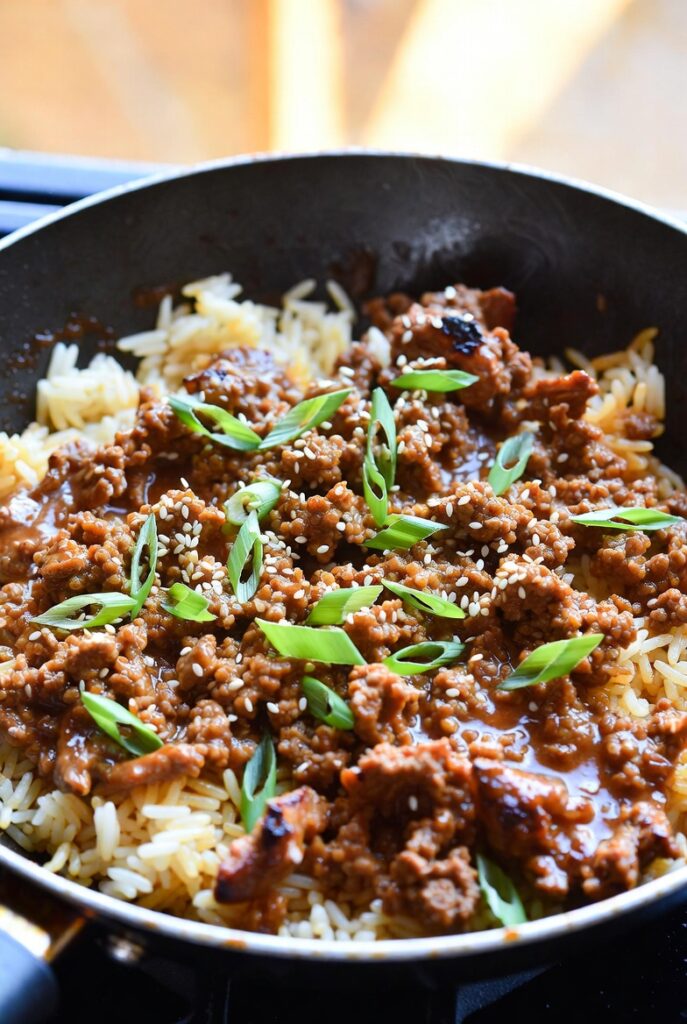
Traditional bulgogi calls for thinly sliced, marinated beef delicious, but a little fussy for a Tuesday night. Swapping in ground beef keeps all the sweet-savory-garlicky flavor of the original while cutting the cook time to under 15 minutes. Brown the beef, stir in a soy-garlic-brown sugar sauce, and serve over rice with a fried egg on top.
Weeknight tip: Double the sauce and freeze half for next time.
2. Kimchi Fried Rice (Kimchi Bokkeumbap)
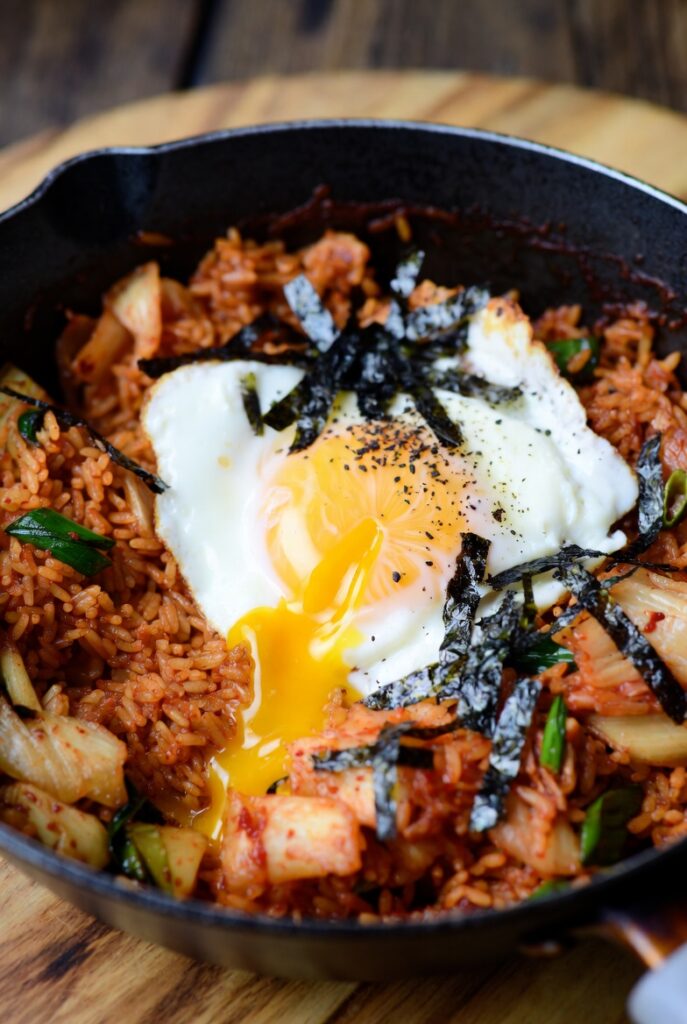
This is the dish most Korean home cooks turn to when the fridge feels empty. Day-old rice, chopped kimchi, a splash of gochujang, and whatever protein is on hand (bacon, spam, or tofu all work beautifully) come together in one pan. Top with a fried egg and a drizzle of sesame oil.
Why it works: Day-old, slightly dried-out rice fries up separated and crispy instead of mushy always use leftovers, never fresh rice.
3. Japchae (Sweet Potato Glass Noodles)
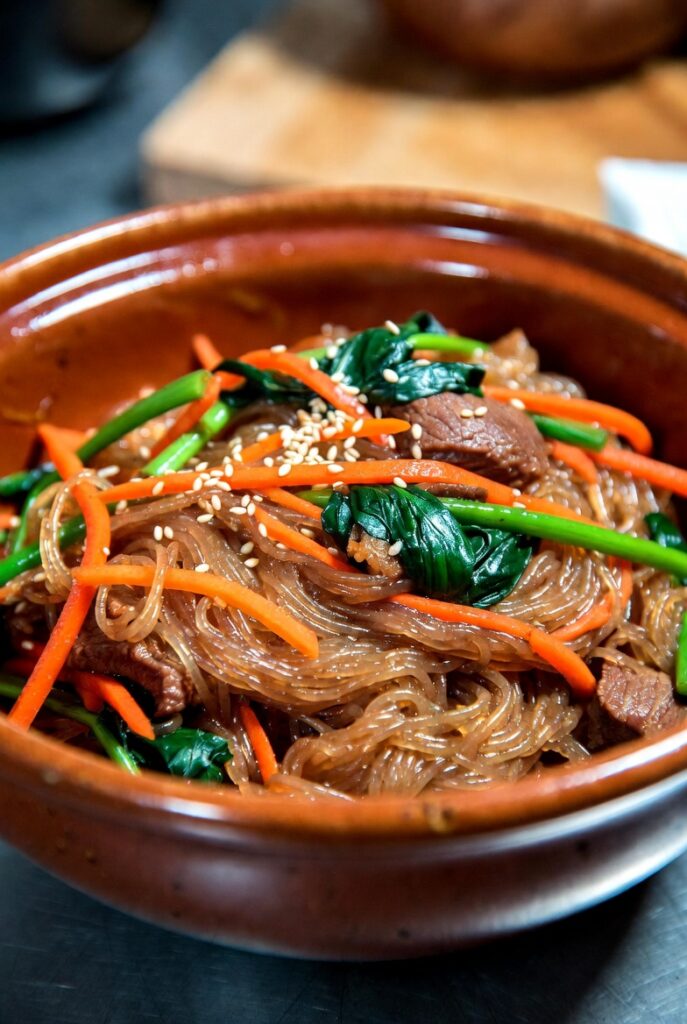
Chewy, slightly sweet glass noodles tossed with sautéed vegetables and soy-sesame sauce. It looks like a labor of love but is really just a lot of quick chopping and one big stir-fry at the end. It’s naturally vegetarian and endlessly adaptable to whatever veggies need using up.
Read Also: Meal Tasty Vibes
4. Tteokbokki (Spicy Rice Cakes)
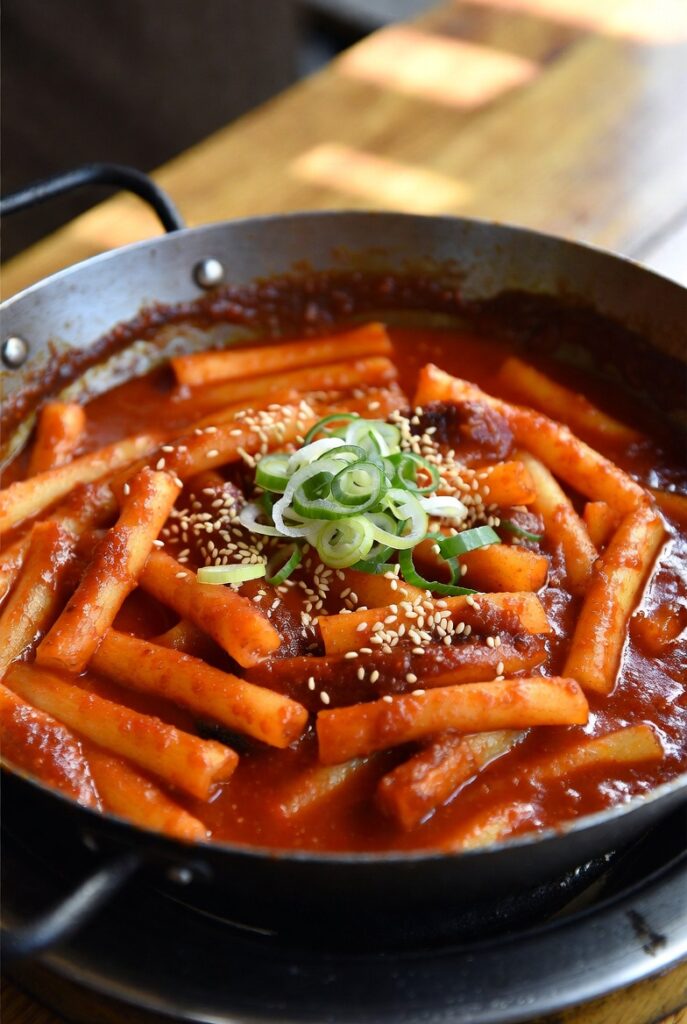
Chewy rice cakes simmered in a sweet-and-spicy gochujang sauce until glossy and thick. This is Korean street food at its finest, and it comes together in one pot in about 20 minutes. Add fish cakes or boiled eggs to turn it into a full meal.
5. Kimchi Jjigae (Kimchi Stew)
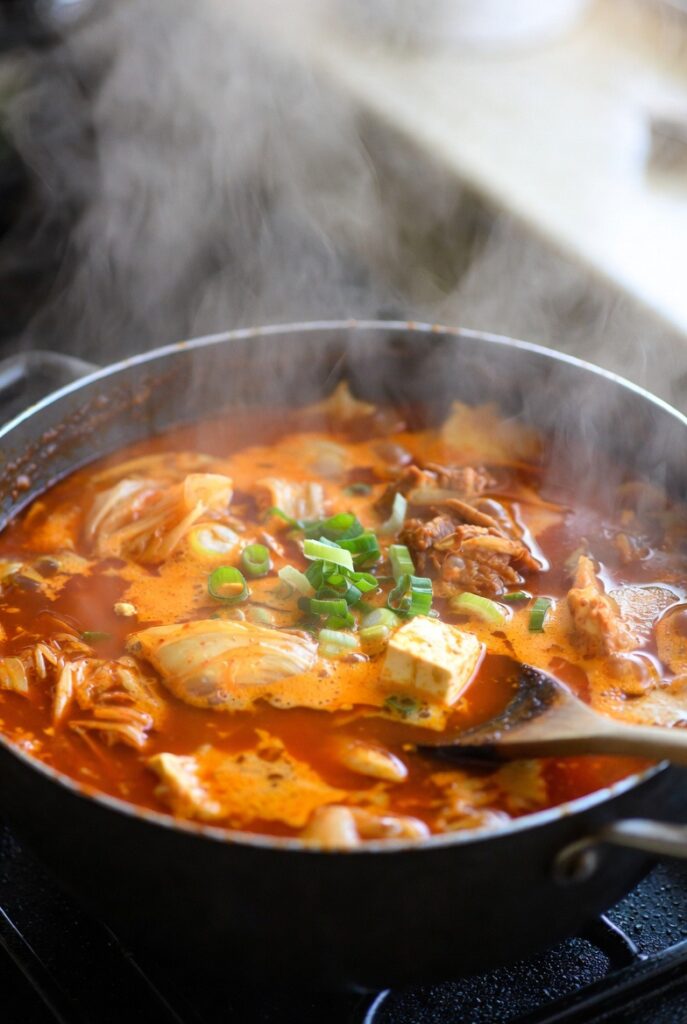
One of the most comforting dishes in Korean cuisine: well-fermented kimchi simmered with pork or tofu in a spicy, tangy broth, finished with a cracked egg. The longer your kimchi has fermented, the deeper the flavor this is the perfect use for kimchi that’s gotten “too sour” to eat straight from the jar.
6. Budae Jjigae (Army Base Stew)
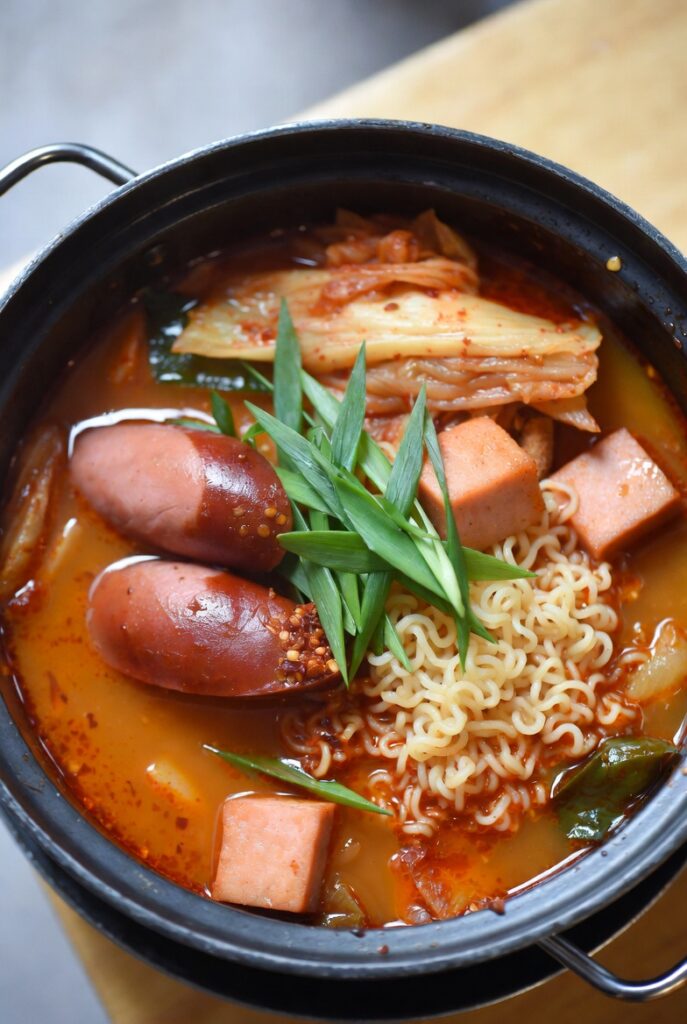
A hearty, bubbling stew that mixes kimchi, sausage, spam, tofu, mushrooms, and instant ramen noodles in one spicy pot. It has a fascinating wartime history, and today it’s a beloved comfort dish that feeds a crowd with minimal effort just simmer everything together and serve straight from the pot.
7. Bibimbap (Mixed Rice Bowl)
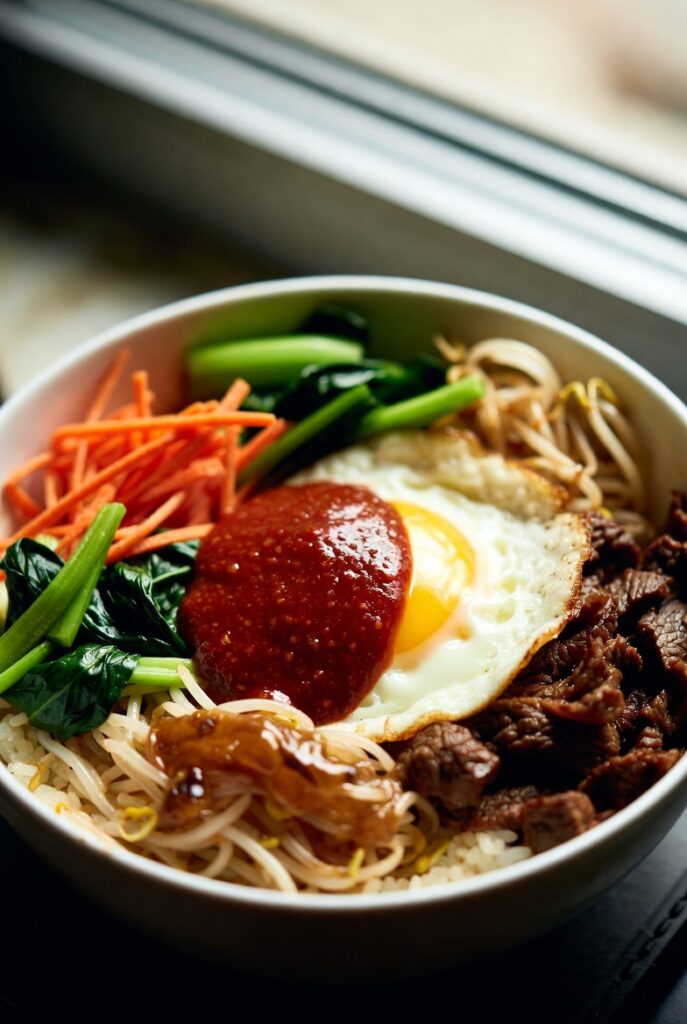
Rice topped with sautéed vegetables, a protein of your choice, a fried egg, and a generous spoonful of gochujang sauce, all mixed together right before eating. It’s the ultimate use-it-up dinner almost any vegetable in your crisper drawer can go into the bowl.
Save-worthy tip: Prep the vegetable toppings in bulk on Sunday, then assemble bowls in five minutes on weeknights.
8. Spicy Tuna (Korean-Style)
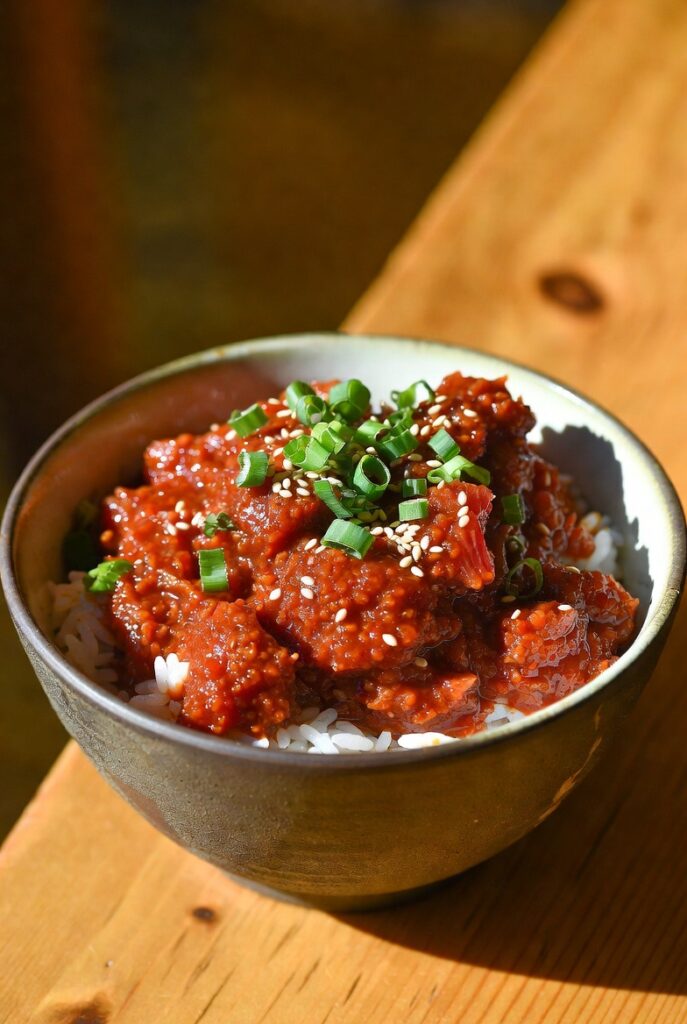
A pantry-hero recipe using canned tuna, gochujang, sesame oil, and a few aromatics. It’s ready in under 10 minutes and tastes far more impressive than its ingredient list suggests. Serve over rice with a side of quick-pickled cucumbers.
9. Korean Cucumber Salad (Oi Muchim)
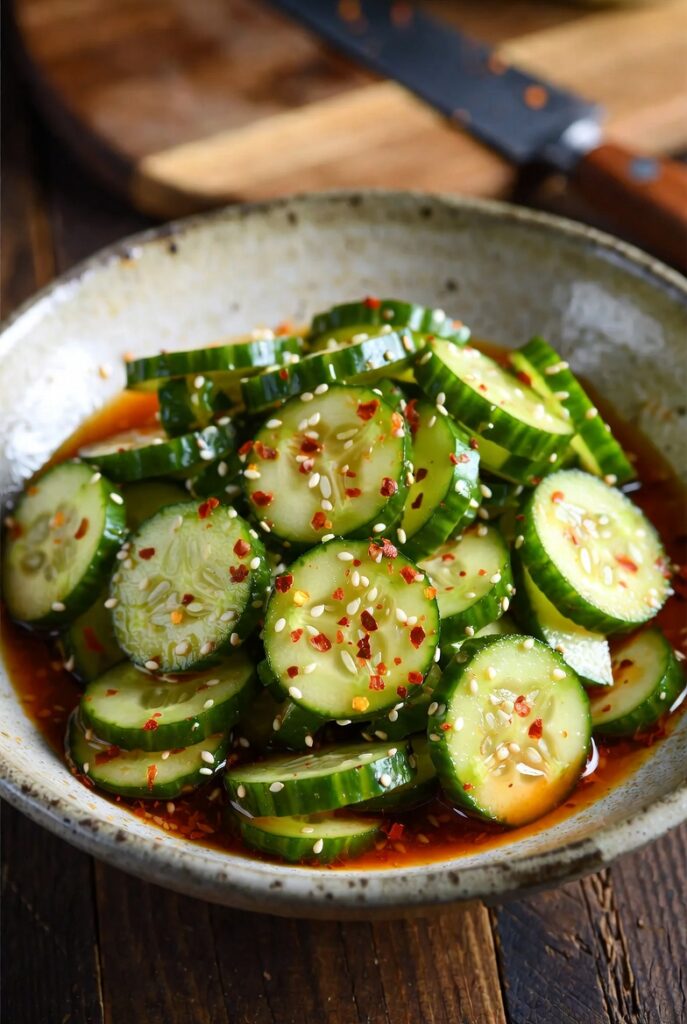
A crunchy, tangy-spicy side salad that comes together while your main dish cooks. Toss sliced cucumbers with gochugaru, vinegar, garlic, and sesame oil, and let them sit for 10 minutes. It adds brightness and crunch to any of the heavier dishes on this list.
10. Kimchi Pancake (Kimchi Jeon)

Crispy on the outside, savory inside this is one of the fastest ways to turn a jar of kimchi into dinner. Mix chopped kimchi into a simple flour-and-water batter, pan-fry until golden, and serve with a soy-vinegar dipping sauce. It doubles as an appetizer if you’re feeding a group.
11. Korean-Style Grilled Cheese with Kimchi

A genuinely simple fusion dinner for nights when you want comfort food, fast. Add a layer of chopped, well-drained kimchi to a classic grilled cheese for a tangy, savory twist that takes zero extra cooking skill.
12. Stovetop Korean BBQ (Samgyeopsal-Style)
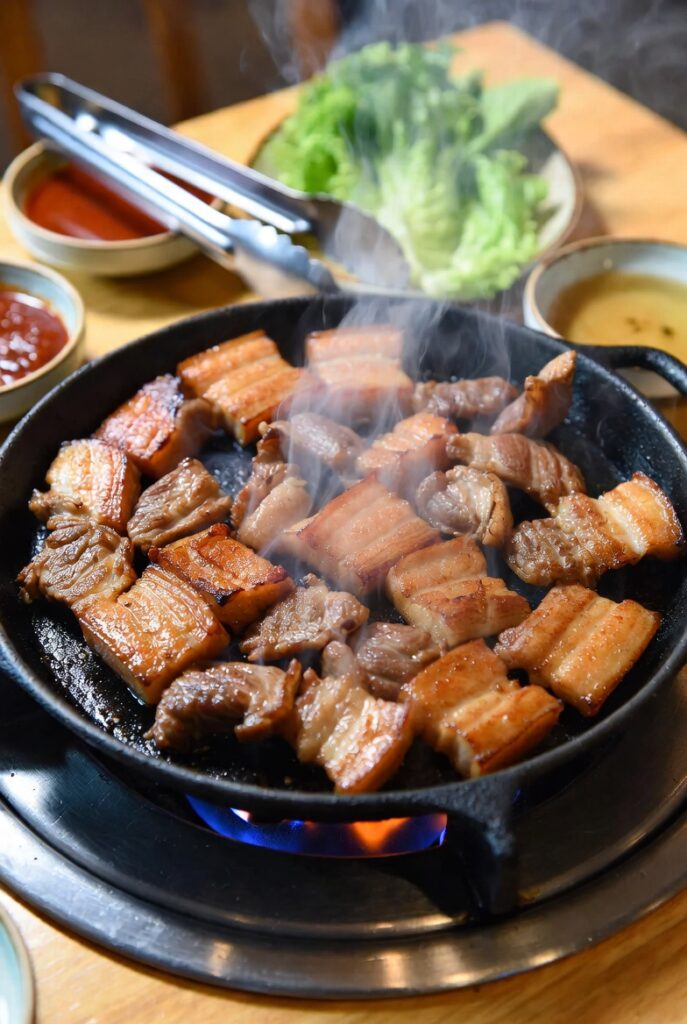
You don’t need a grill or a Korean BBQ restaurant to enjoy this at home. Thinly sliced pork belly cooks directly in a hot pan with onions and mushrooms, then gets wrapped in lettuce leaves with garlic, scallions, and ssamjang. It’s interactive, fun for a table of people, and surprisingly low-effort for the payoff.
13. Korean Beef Stir-Fry
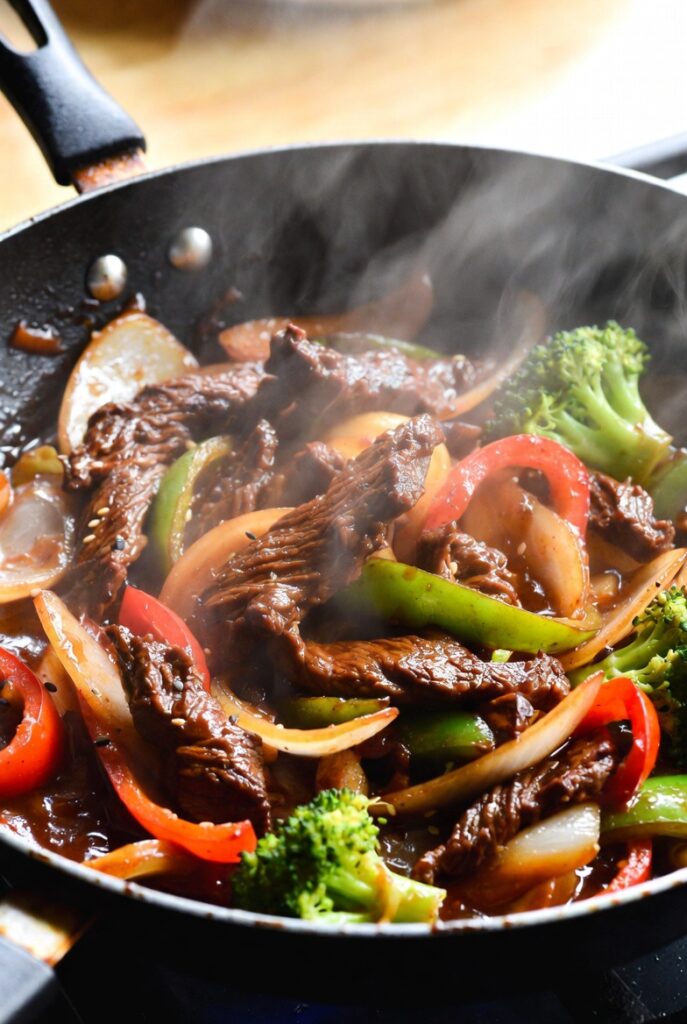
A quick, tender beef stir-fry glazed in gochujang and garlic ready in the time it takes rice to cook. The trick to tender beef on a short timeline is slicing it thin, against the grain, so it cooks in just a couple of minutes per side.
14. Homemade Kimchi Ramen
A dressed-up version of instant ramen that tastes like it came from a restaurant. Simmer noodles with kimchi, sliced mushrooms, and a soft egg, then finish with sesame oil. It’s the fastest recipe on this list ready in about 12 minutes and a lifesaver on your busiest nights.
Tips for Stocking a Korean Pantry (So Any Night Can Be Taco-Night-Easy)
A well-stocked Korean pantry makes every recipe above nearly effortless. Keep these five staples on hand:
- Gochujang (fermented red chili paste) the backbone of most sauces on this list
- Gochugaru (Korean chili flakes) for heat without the sweetness of gochujang
- Soy sauce and sesame oil the base of nearly every marinade
- A jar of good kimchi buy it if you don’t want to ferment your own; it keeps for months
- Rice — day-old, refrigerated rice is ideal for fried rice and bowls
Once these five items live in your kitchen, you’re never more than 20 minutes from a Korean dinner.
Frequently Asked Questions
Is Korean food hard to cook at home?
Not at all. Once you have a few core sauces and condiments (gochujang, soy sauce, sesame oil), most dishes are simple stir-fries, one-pot stews, or rice bowls that come together in 30 minutes or less.
What’s the easiest Korean dish for a beginner to start with?
Kimchi fried rice is the most forgiving starting point it’s nearly impossible to mess up and uses ingredients most people already have.
Can I make these recipes vegetarian?
Yes. Swap the meat in bulgogi, bibimbap, or fried rice for tofu, mushrooms, or extra vegetables, and most sauces (gochujang-based ones especially) are naturally vegetarian already.
Where do I find gochujang and kimchi?
Most large grocery stores now carry both in the international aisle, and they’re widely available online if your local store doesn’t stock them.
Final Thoughts
Korean cuisine has a reputation for being complicated, but as this list shows, most of that flavor comes from a small toolkit of sauces and staples you can keep on hand year-round. Whether you’re craving something spicy and stew-like or a fast rice bowl, there’s a dinner here for every night of the week and every one of them beats a takeout menu.
Pin this list now so you always have a Korean dinner idea on hand when the “what’s for dinner” question hits.