
There’s a moment every curry lover knows: the second the onions hit hot oil and that first waft of cumin and garlic fills the kitchen. It’s the smell of a home-cooked meal that’s about to be really good and it’s a lot easier to recreate than most people think.
If you’ve ever stood in front of a spice rack feeling overwhelmed, or scrolled past a hundred “authentic” recipes that call for ingredients you’ve never heard of, this list is for you. Below are 13+ Indian curry recipes that are genuinely easy to make at home, without sacrificing the deep, layered flavor that makes Indian food so beloved around the world.
Whether you’re craving something creamy and mild like butter chicken, something bright and tangy like a coconut fish curry, or a completely plant-based option like chana masala, there’s a curry here for every mood, every skill level, and every night of the week.
What Makes an Indian Curry “Authentic”?
Before jumping into the recipes, it helps to understand the building blocks. Almost every Indian curry no matter the region — follows a similar rhythm:
- Tempering (tadka): whole spices bloomed in hot oil or ghee to release their essential oils
- The masala base: onions, ginger, garlic, and tomatoes cooked down into a thick, fragrant paste
- Ground spices: turmeric, cumin, coriander, red chili powder, and garam masala layered in for depth
- The simmer: protein or vegetables added and slow-cooked until the flavors meld together
- The finish: a squeeze of lime, a handful of cilantro, or a swirl of cream to round everything out
Once you understand this pattern, you’ll notice it repeating across nearly every recipe below and that’s exactly what makes homemade Indian curry so approachable, even for a total beginner.
1. Classic Butter Chicken (Murgh Makhani)
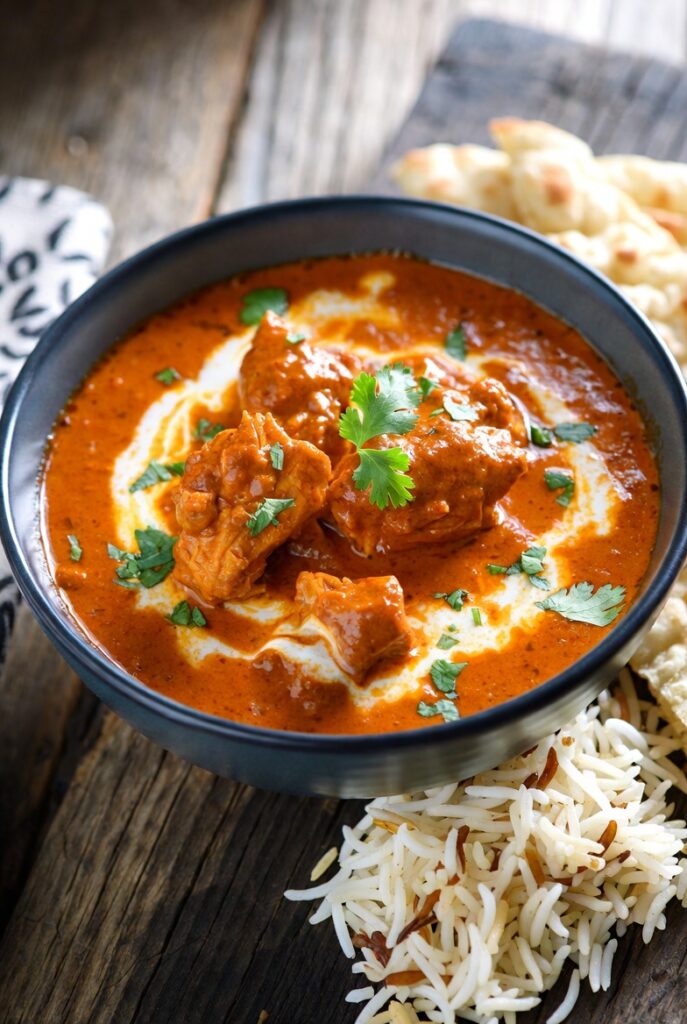
This is the curry most people fall in love with first, and for good reason. Tender chicken is simmered in a velvety tomato-cream sauce warmed with garam masala and a touch of sweetness. It’s mild, rich, and endlessly comforting the perfect gateway into Indian cooking. Serve it with warm naan for scooping up every last bit of sauce.
Pro tip: Marinate the chicken in yogurt and spices for at least 30 minutes (or overnight) for extra-tender bites.
2. Chana Masala (Chickpea Curry)
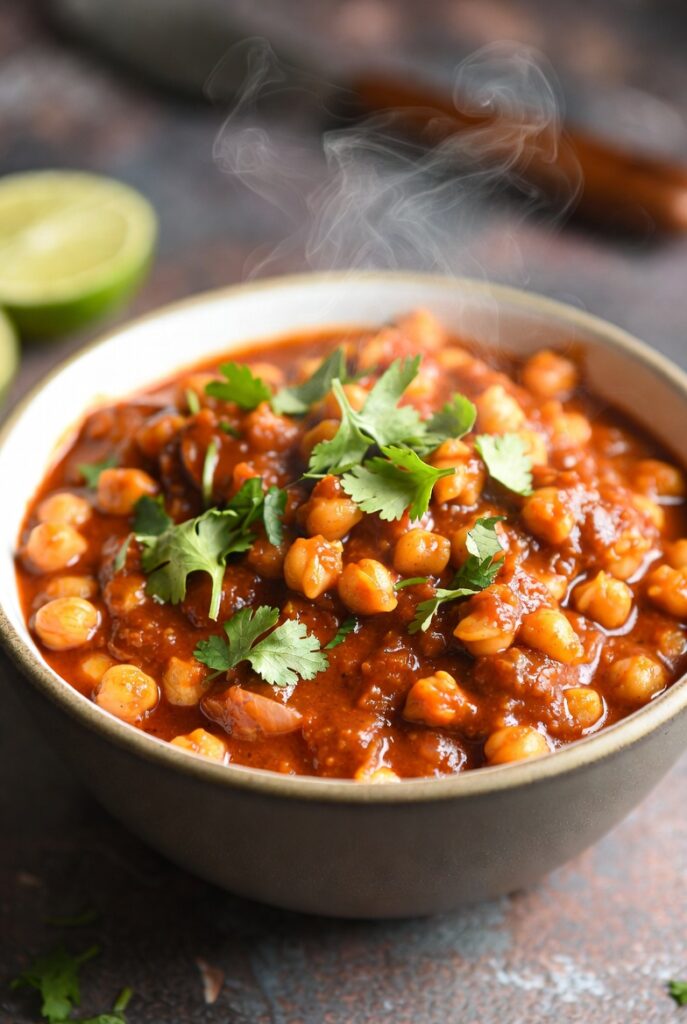
Proof that a meatless curry can be just as satisfying as one with meat. Chickpeas are simmered in a spiced onion-tomato gravy with coriander, cumin, and a pinch of amchur (dried mango powder) for tang. It’s hearty, budget-friendly, and comes together in under 45 minutes using canned chickpeas.
3. Palak Paneer (Spinach and Cheese Curry)
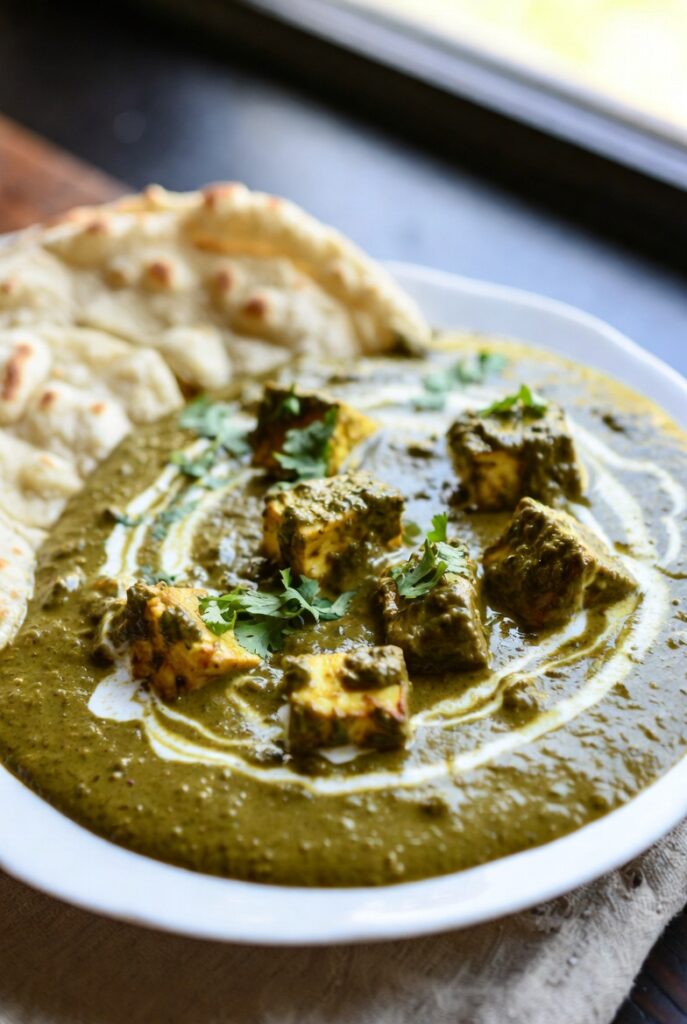
A silky spinach gravy studded with cubes of pan-fried paneer cheese. This one looks fancy but is deceptively simple the sauce is really just blended spinach, spices, and a little cream. It’s a great way to sneak extra greens into dinner without anyone noticing.
4. Everyday Onion-Tomato Chicken Curry
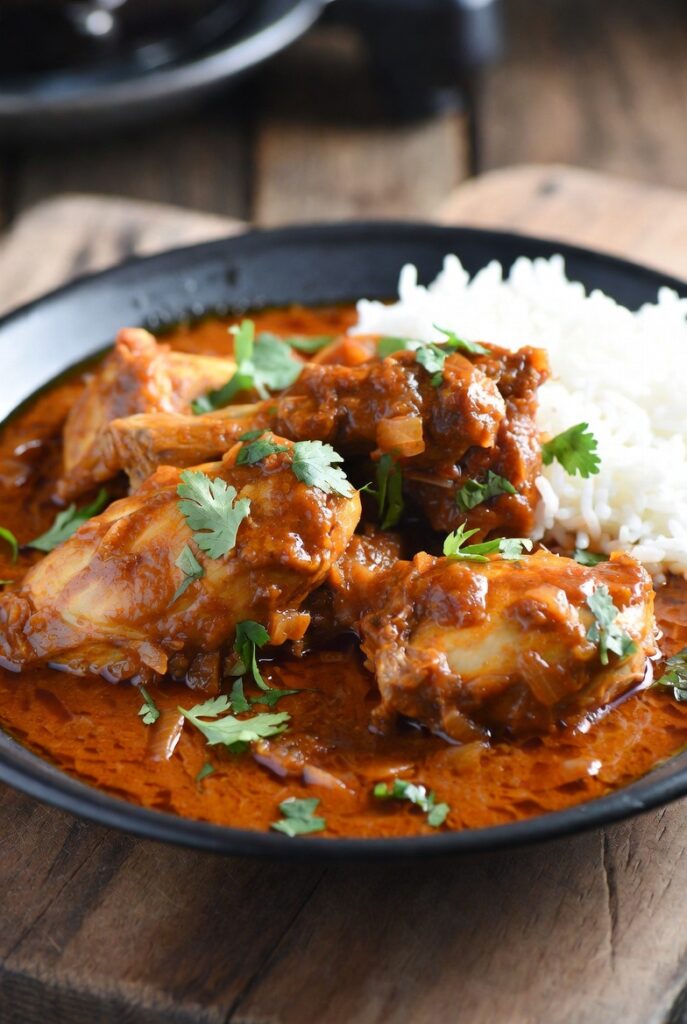
This is the curry that shows up on Indian dinner tables on an ordinary Tuesday. Onion, ginger-garlic paste, tomatoes, and basic pantry spices come together to create a curry that’s simple, quick, and endlessly customizable. Swap the chicken for paneer, potatoes, or chickpeas and the method barely changes.
Read Also: Meal Tasty Vibes
5. Rogan Josh (Kashmiri Lamb Curry)
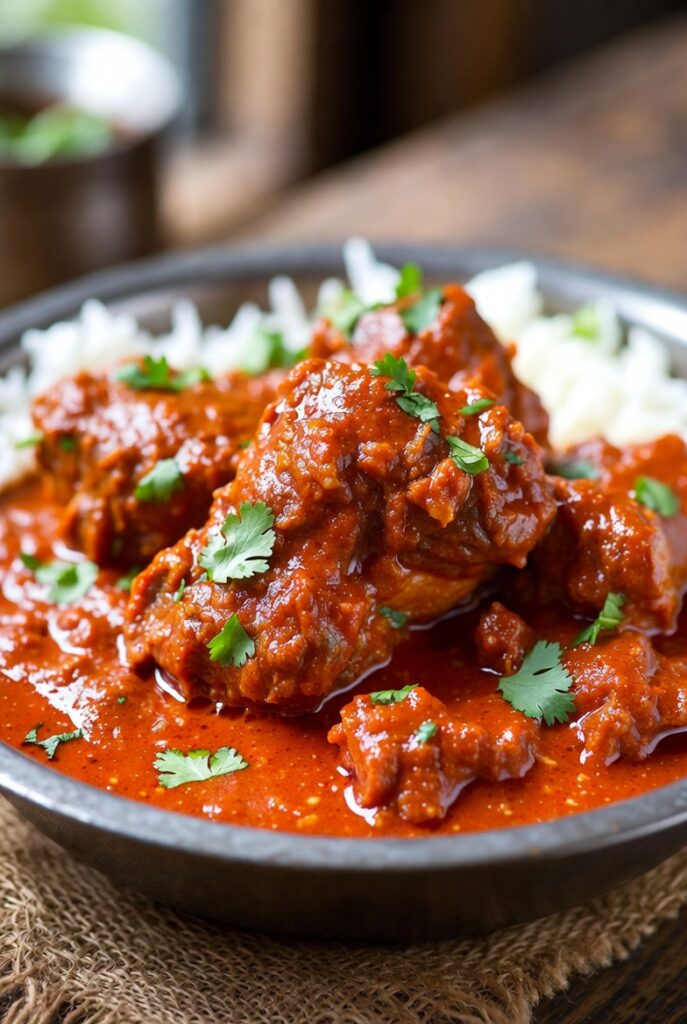
Known for its deep red color and aromatic spice blend, rogan josh is a slow-simmered lamb curry from Kashmir. It doesn’t rely on heavy chili heat instead, it builds flavor gradually through fennel, ginger powder, and Kashmiri red chili, which gives the dish its signature color without overwhelming spice.
6. Dal Makhani (Creamy Black Lentil Curry)
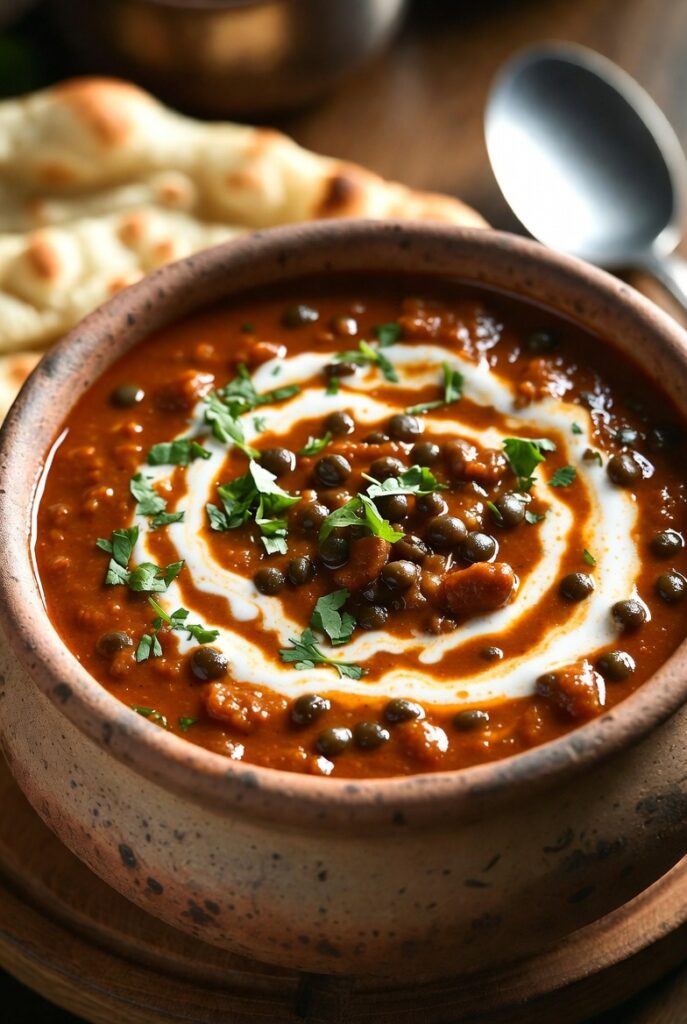
Rich, buttery, and slow-simmered, dal makhani is the definition of comfort food. Black lentils (urad dal) and kidney beans are cooked low and slow with butter, cream, and warming spices until they turn velvety. A stovetop or Instant Pot version can get you there in a fraction of the traditional cooking time.
7. Kerala-Style Coconut Fish Curry
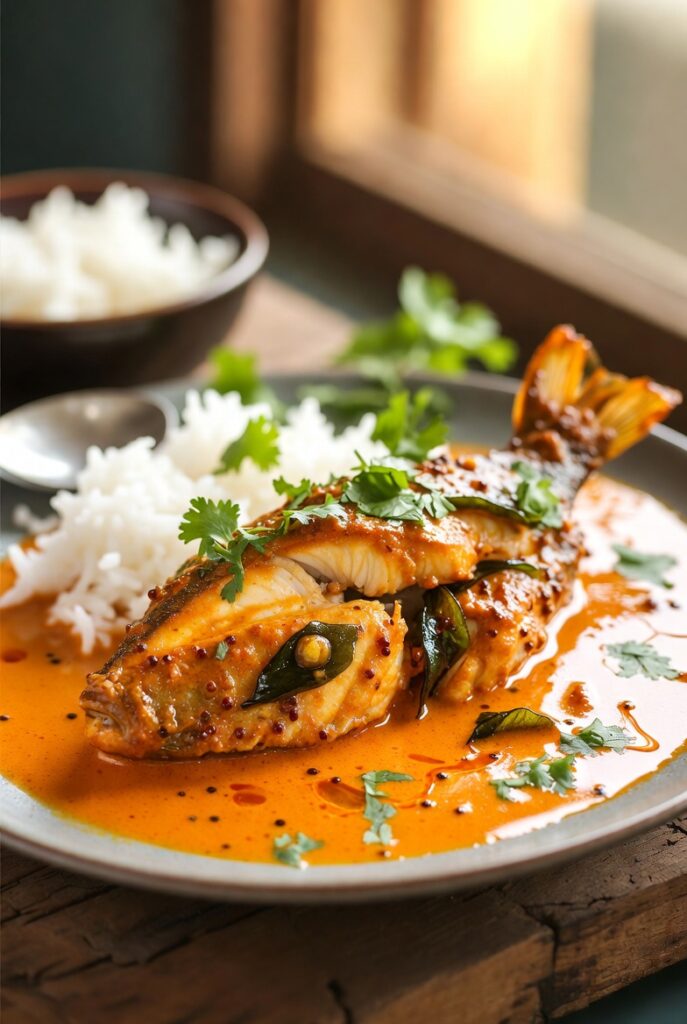
Head south and the flavor profile shifts completely. This coastal curry from Kerala leans on coconut milk, tamarind, mustard seeds, and fresh curry leaves for a bright, tangy sauce that’s lighter than its northern cousins. The fish cooks quickly, so this is a fantastic option for a weeknight dinner that still feels special.
8. Aloo Gobi (Potato and Cauliflower Curry)
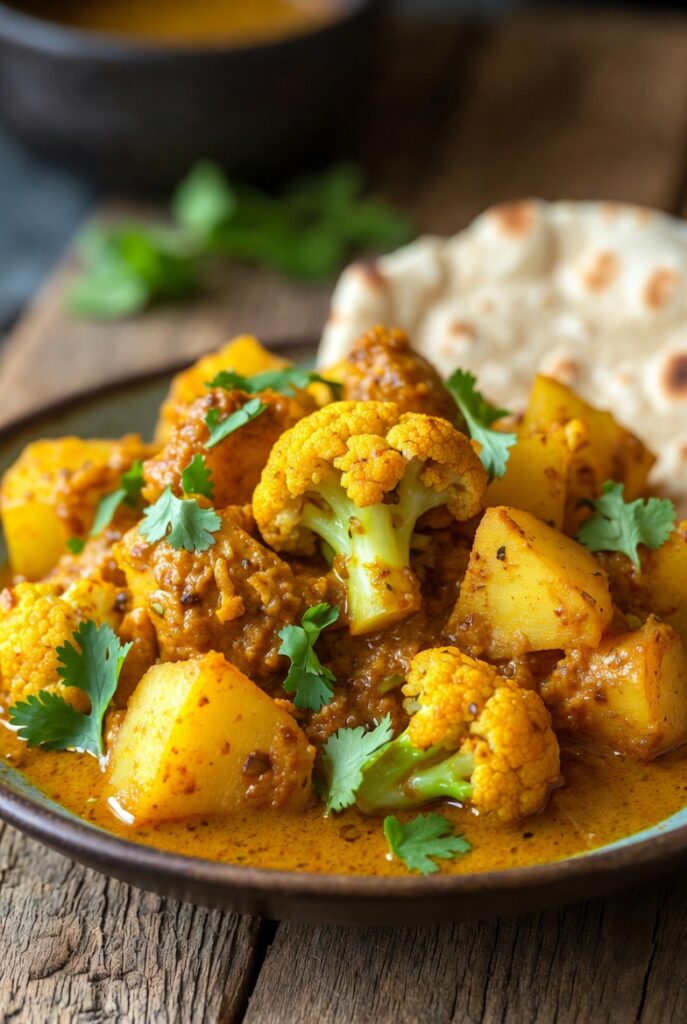
A dry-style vegetable curry where potatoes and cauliflower are cooked with turmeric, cumin, and coriander until tender and lightly golden. It’s naturally vegan, gluten-free, and comes together with ingredients you probably already have on hand.
9. Rajma (Red Kidney Bean Curry)
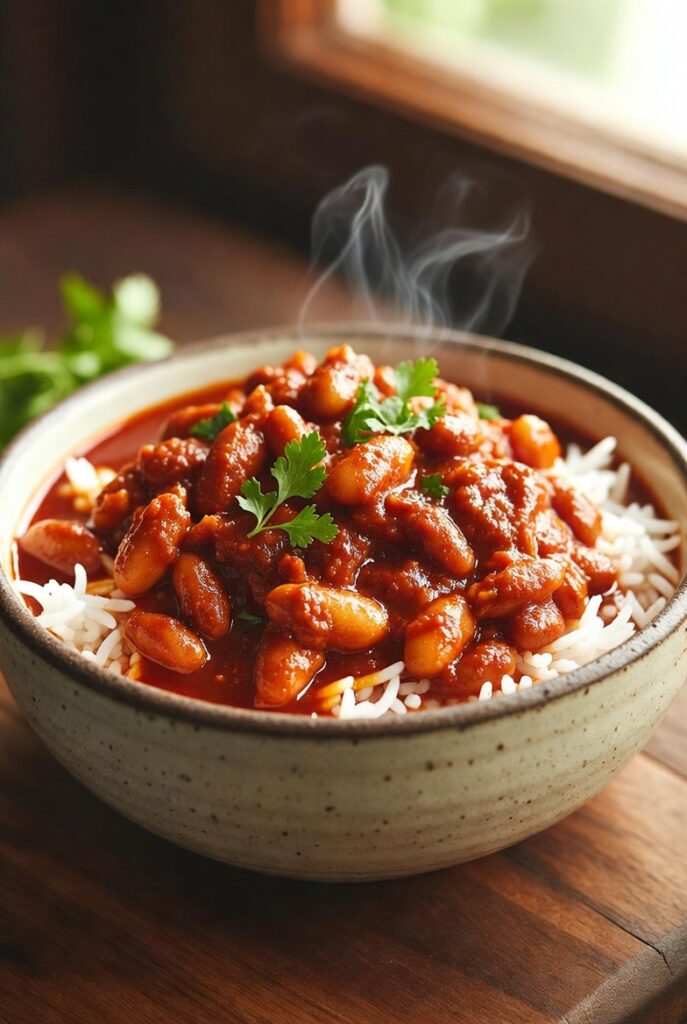
A beloved North Indian staple, rajma is kidney beans simmered in a thick, spiced tomato gravy until they’re soft and flavorful. It’s traditionally paired with steamed rice for the ultimate cozy, plant-based meal and it tastes even better the next day.
10. Chicken Korma
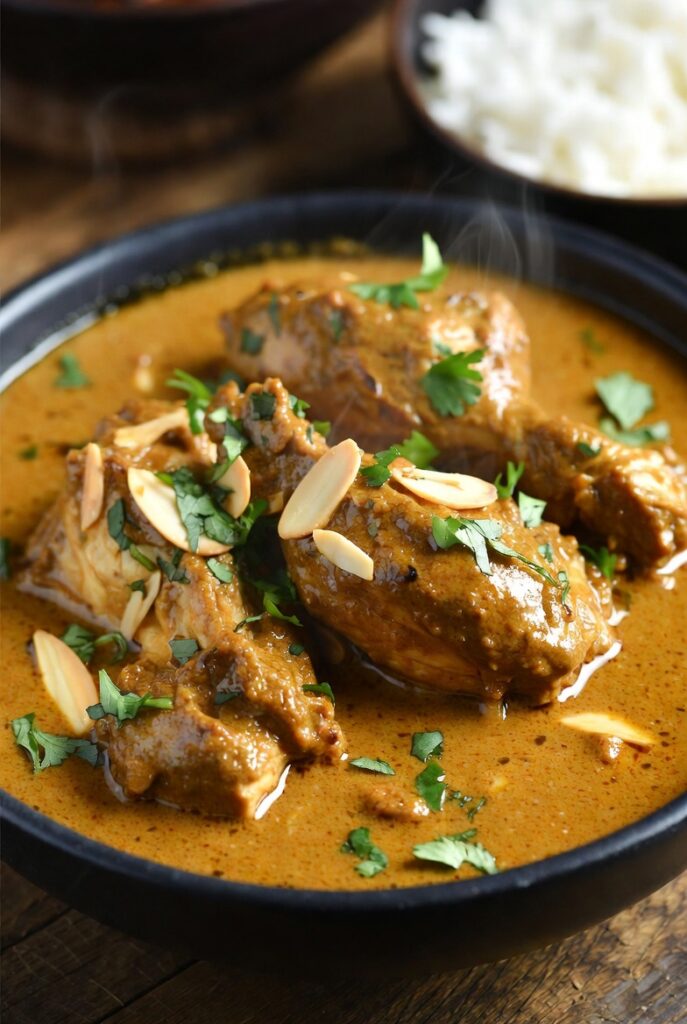
For anyone who prefers a milder, creamier curry, korma is the answer. Chicken is simmered in a sauce built from yogurt, cashews or almonds, and gently warming spices like cardamom and cinnamon. It’s rich without being spicy, making it a great option for kids or spice-sensitive eaters.
11. Masoor Dal Tadka (Red Lentil Curry)
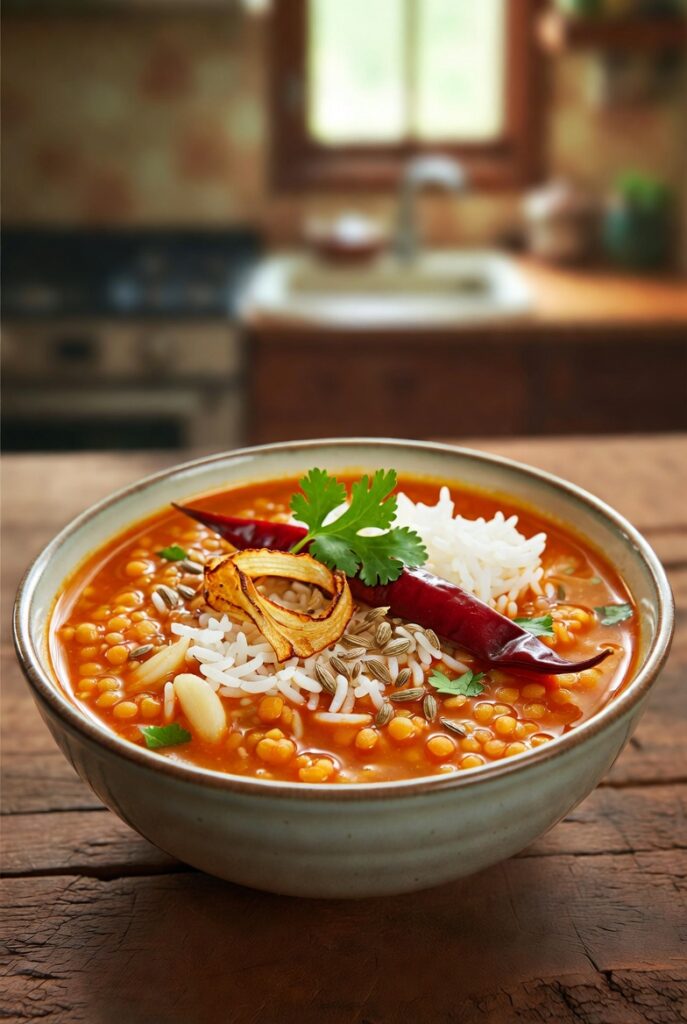
This might be the easiest recipe on the entire list. Red lentils cook down into a soft, comforting stew, then get finished with a tadka cumin seeds, garlic, and dried red chilies bloomed in ghee and poured over the top right before serving. It’s a one-pot, dump-and-go recipe that’s ready in about 30 minutes.
12. Goan Prawn Curry
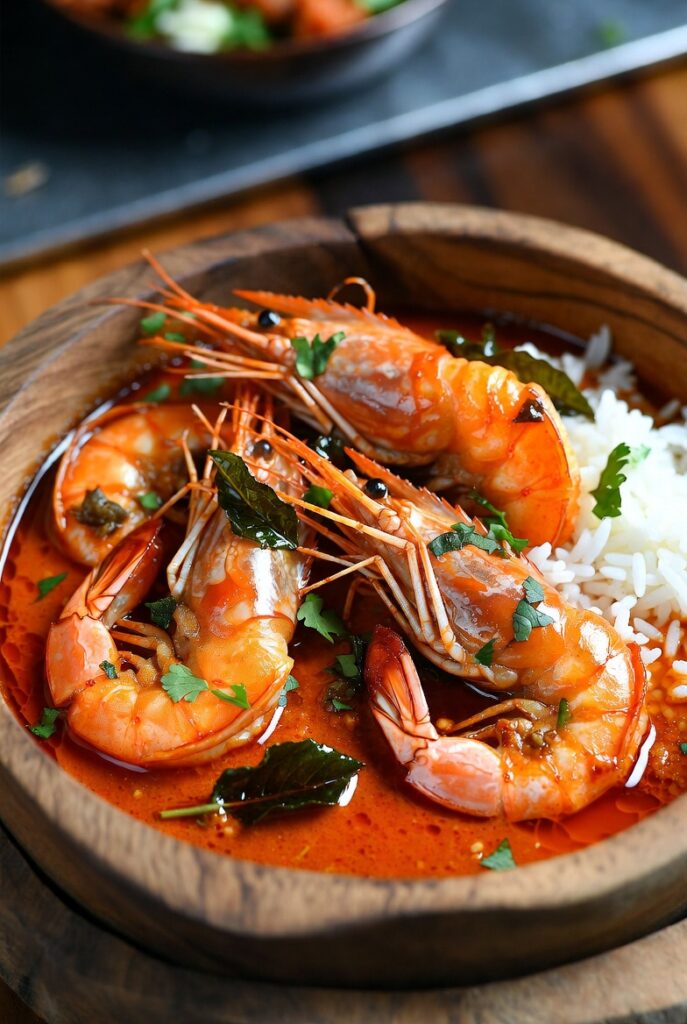
A tangy, coconut-based curry from India’s western coast, made with prawns, tamarind, and a distinctive Goan spice blend that includes coriander and dried red chilies. It’s briny, spicy, and comes together fast since shrimp cook in just a few minutes.
13. Baingan Bharta (Smoky Roasted Eggplant Curry)
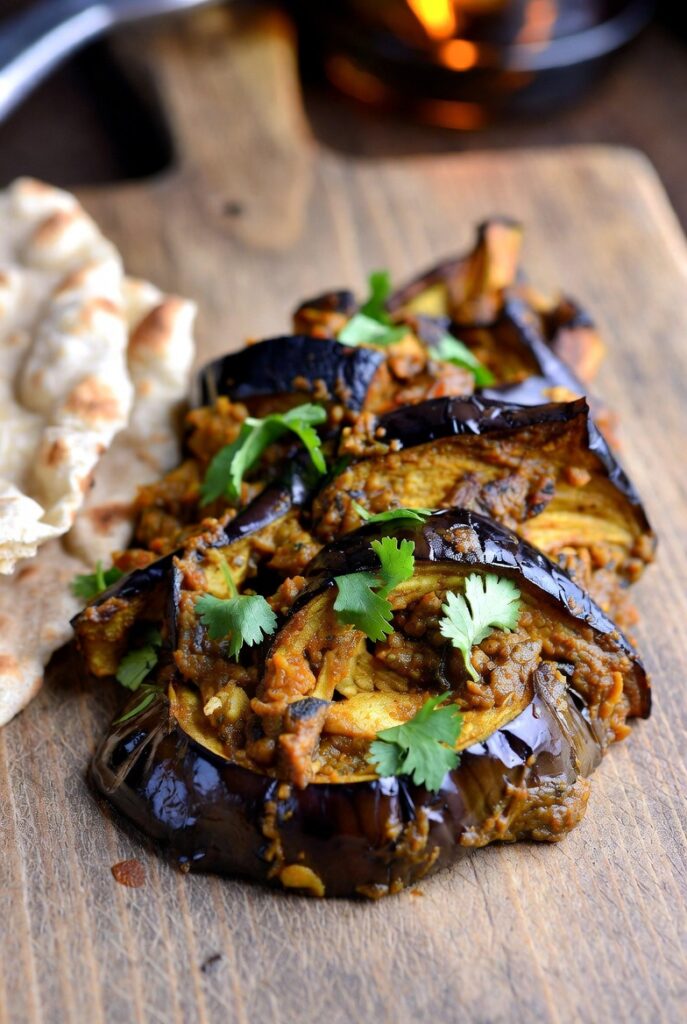
Whole eggplants are roasted or charred until smoky, then mashed and cooked with onions, tomatoes, and spices. The result is a deeply flavorful, almost barbecue-like curry that pairs beautifully with roti or rice. It’s one of the most underrated dishes on this list.
14. Egg Curry (Anda Curry)
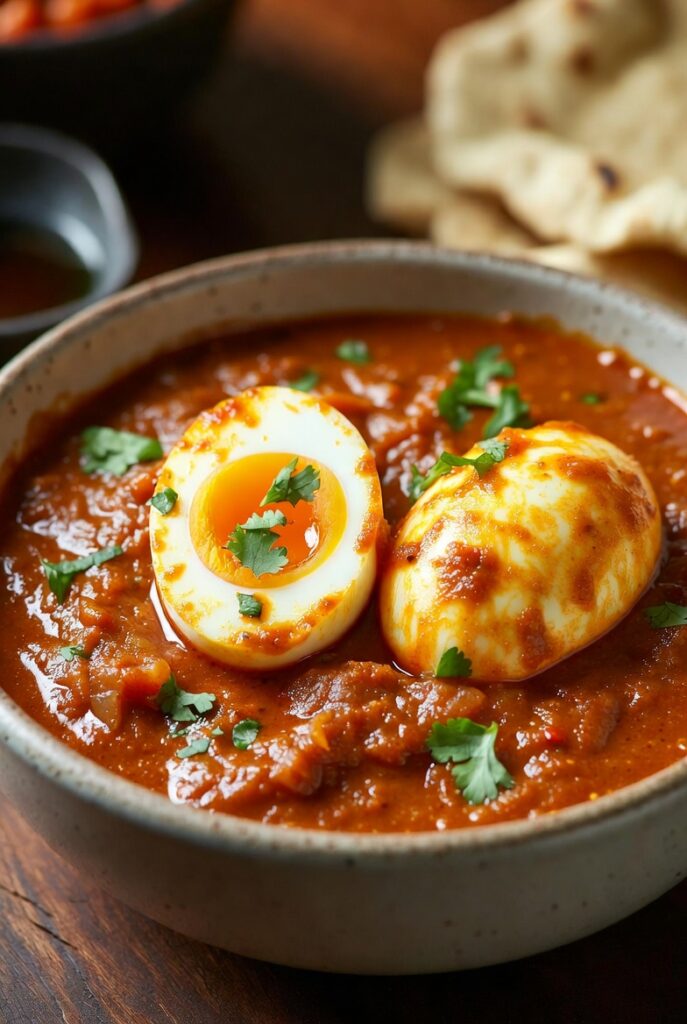
A humble but hugely satisfying option hard-boiled eggs simmered in a spiced onion-tomato masala. It’s an easy way to get a protein-packed curry on the table using ingredients you likely always have in the fridge, and it’s ready start to finish in about 30 minutes.
Bonus: Kadai Vegetable Curry
A mixed vegetable curry cooked in a semi-dry masala made with coarsely ground coriander and red chilies. Bell peppers, carrots, and green beans keep their bite, making this a colorful, texture-rich option for a lighter meal.
Tips for Making Indian Curries at Home (Even If You’re a Beginner)
- Start mild, adjust later. It’s much easier to add heat with extra chili powder than to tone down a curry that’s already too spicy.
- Don’t rush the onions. A properly caramelized onion base is the flavor foundation of most North Indian curries — give it the full cooking time.
- Add dairy last. Yogurt, cream, or coconut milk should go in after the main cooking is done to prevent curdling or separating.
- Let it rest. Curries almost always taste better 10–15 minutes after cooking, once the spices have had time to settle and meld.
- Build a basic spice shelf. Turmeric, cumin, coriander, red chili powder, and garam masala will unlock the vast majority of recipes on this list.
Frequently Asked Questions
What is the easiest Indian curry to make for beginners? Butter chicken and masoor dal tadka are two of the most beginner-friendly options. Both use a short ingredient list and a forgiving cooking process, making them nearly impossible to mess up.
Can Indian curries be made ahead of time? Yes in fact, most curries taste even better the next day, once the spices have had time to fully develop. Curries like rajma, dal makhani, and chana masala freeze especially well.
What’s the difference between curry powder and garam masala? Curry powder is a generic Western spice blend, while garam masala is a specific, traditional Indian spice mix typically added toward the end of cooking to add warmth and aroma rather than base flavor.
Do I need a lot of special equipment to make Indian curry? No. A heavy-bottomed pan or pot is really all you need. A pressure cooker or Instant Pot can speed things up for lentil and bean-based curries, but it isn’t required.
Final Thoughts
Indian curry isn’t one dish it’s a whole world of regional traditions, techniques, and flavors, and the recipes above are proof that “authentic” doesn’t have to mean complicated. Pick one that matches what you’re craving, stock a few pantry spices, and you’ll have a restaurant-worthy curry simmering on your stove in under an hour.
Save this list for your next meal-planning session, and don’t be afraid to make it your own the best curries are the ones adjusted exactly to your taste.